Your Step-by-Step Guide to Buying a Tiny House in Australia
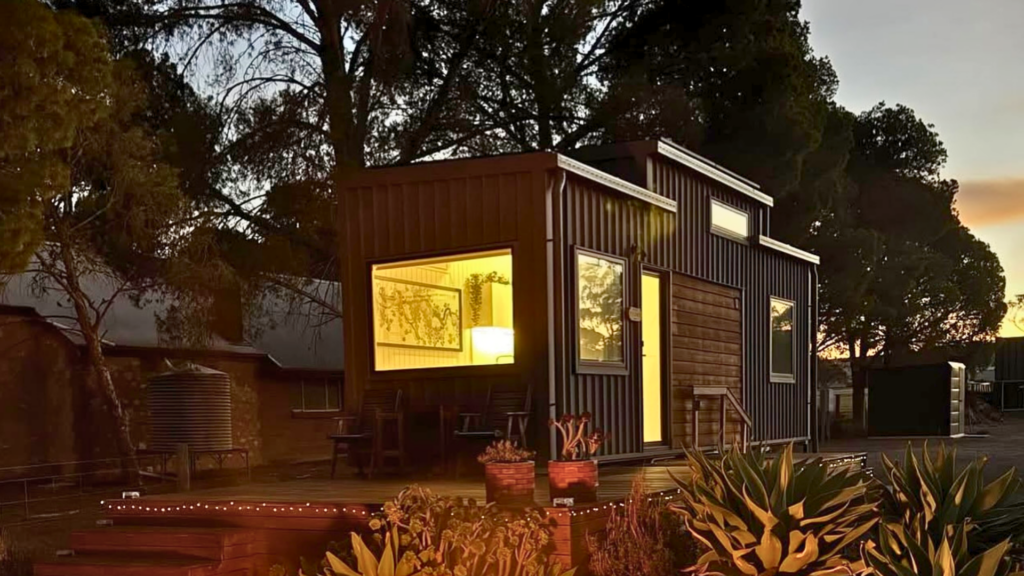
Embracing the tiny house lifestyle offers a blend of freedom, sustainability, and financial efficiency. However, transitioning from the dream to reality involves careful planning and adherence to local regulations. Here’s a structured approach to help you embark on your tiny house journey.
-
Assess Your Space: Can Your Property Accommodate a Tiny House?
- Land Size and Access: Ensure your land is spacious enough to accommodate a tiny house on wheels or a fixed (Class 1A) tiny home. Consider access for delivery and potential future expansions.
- Zoning and Land Use: Verify that your land is zoned appropriately for residential use. Some areas may have restrictions on the type of dwelling allowed.
-
Understand Council Regulations in Your Area
- Local Council Rules: In Queensland, regulations vary significantly across the 77 local councils. Some councils have specific guidelines for caravans and tiny homes.
- Approval Requirements: Council approval is often required, especially if the tiny home is intended as a habitable or secondary dwelling. The specific requirements depend on whether the tiny home is on wheels or fixed.
- Duration of Stay: Some councils may permit temporary stays without approval, while others may require formal applications for long-term habitation.
-
Explore Land Acquisition Options
- Purchase Land: Buying land can be a straightforward option if you find a suitable plot. However, ensure the land is zoned appropriately and has the necessary infrastructure.
- Lease Land: Some landowners offer leases for tiny homes. This can be a cost-effective solution, but ensure the lease terms align with your long-term plans.
- Shared Arrangements: Collaborating with others who own suitable land can be beneficial. Ensure clear agreements are in place regarding responsibilities and expectations.
-
Builder Reputation and Materials
- Build with structural-grade, lightweight steel frames for strength, durability, and safe towing.
- Use high-performance insulation throughout floors, walls, and roof to maintain comfort in all Australian climates.
- Select cladding and roofing materials for weather resistance and longevity, minimising ongoing maintenance.
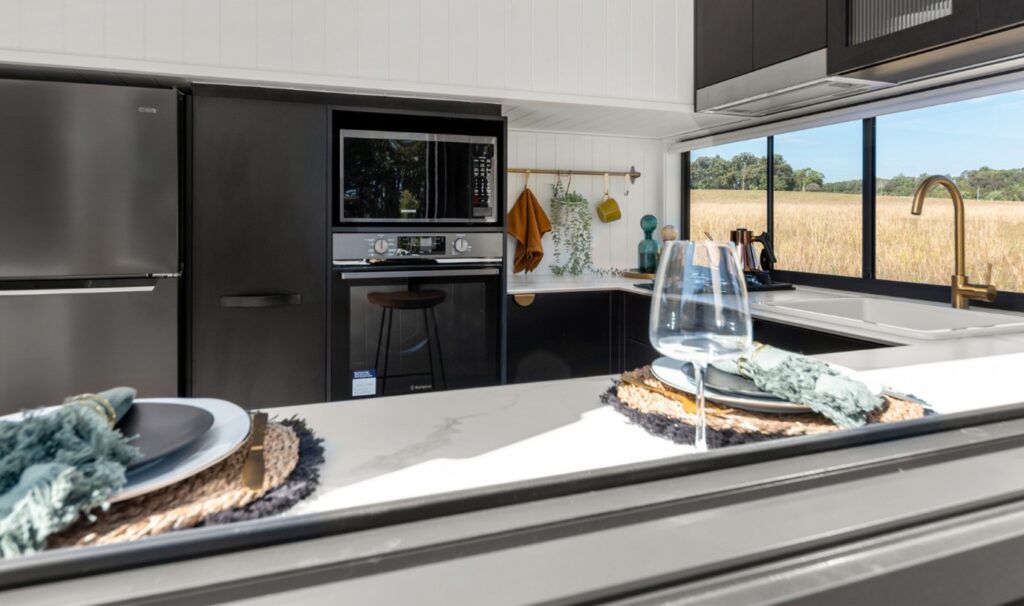
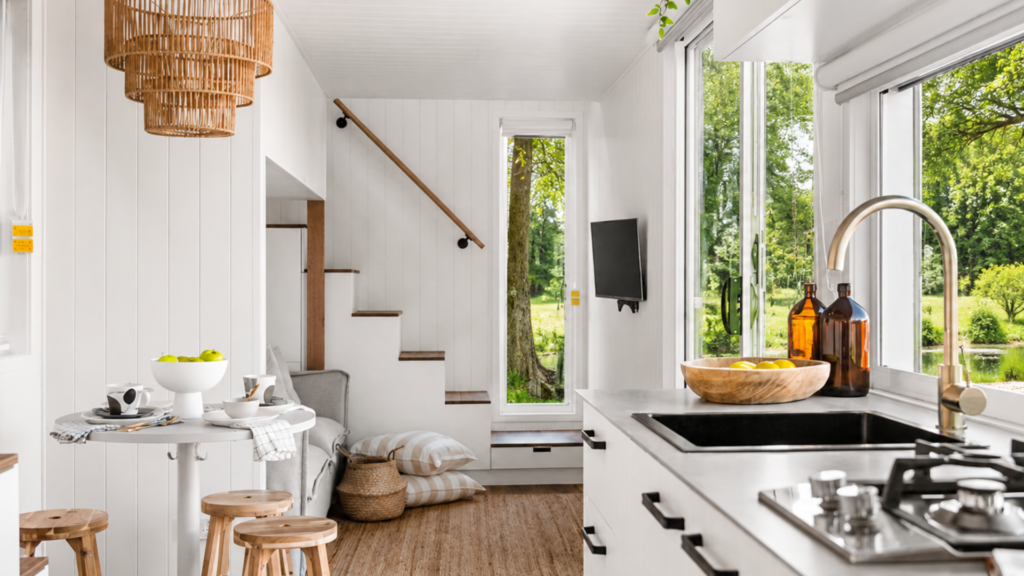
- Fit interiors with durable, low-maintenance finishes that balance style with practicality.
- Ensure every component meets Australian building and safety standards, delivering long-term reliability and peace of mind.
-
Construction Timeline
- Construction Time: Depending on the build schedue, the constructing a tiny house can on average take up to six months.
- Delays: Enquire about potential delays due to weather, supply chain issues, or regulatory holdups.
-
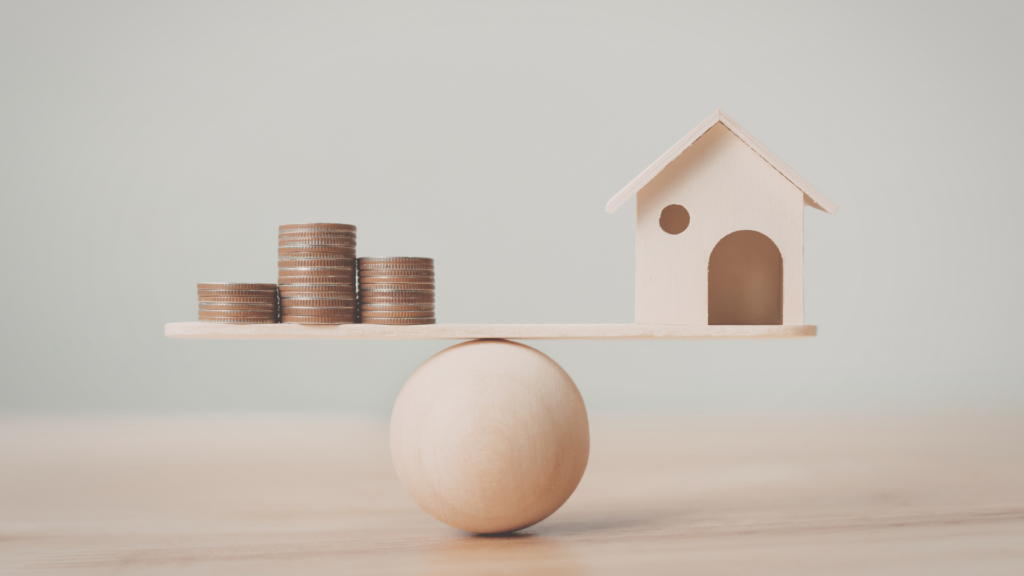
Budgeting: Costs Beyond the Build
- Land Costs: Purchasing or leasing land involves significant expenses.
- Infrastructure: Costs for off-grid solar power, plumbing, and other essential infrastructure can add up.
- Ongoing Expenses: Consider costs for maintenance, delivery insurance, financing (finance options), and property taxes.
-
Seek Professional Guidance
- Tiny House Builders: Companies like Aussie Tiny Houses offer expertise in design and construction.
- Legal and Planning Advisors: Consult with professionals to understand zoning laws and council regulations.
- Questions?: Reach out to the team directly via their contact page for tailored advice.