What to Know Before Your Tiny House Build
Tiny homes offer a simple, affordable and stress-free housing solution—but the reality is, while tiny houses can absolutely be a smart and rewarding way to live, there are some less obvious factors that can turn an exciting project into an expensive lesson if you’re not prepared.
The good news? Every one of these risks can be avoided with the right knowledge upfront and here are the key things to understand before you commit.
1. Understanding Insurance for Tiny Homes
Insurance is one of the most important aspects of tiny house ownership, and it’s often misunderstood. Many buyers assume that once they have a policy, their entire tiny home is automatically covered—just like a traditional house. In reality, tiny homes, particularly Tiny Houses on Wheels (THOWs), occupy a grey area and require specialised insurance. To get proper coverage for a THOW, insurers typically look for the following:- Road Compliance: The home must meet road standards—under 2.5m wide, 4.3m high, 12.5m long, and under 4.5 tonnes—and often must be registered.
- “Fixed” to the Land: While still on wheels, some insurers may prefer the home to be considered “fixed,” which can include steps, decks, and registered connections to utilities (grid or off grid).
- Professional Build: Certification from a reputable builder, such as members of the Australian Tiny House Association (ATHA), helps simplify approval and coverage.
- Structural or Building Damage: Protection against fires, storms, or floods
- Contents: Coverage for furniture, appliances, and personal items inside the home
- Liability: Protection if someone is injured on your property or by your home
2. Planning for Transport and Delivery
Getting your tiny house to site requires careful planning to ensure a smooth and safe move. If your tiny home exceeds 2.5 metres in width, it’s considered an oversize load, which may require permits, route planning, and sometimes escort vehicles. While this adds some logistical steps, it ensures your home is transported safely and legally. Even for builds within standard dimensions, it’s important to consider:- Structural stress during long-distance transport
- Potential damage from road conditions
- Access challenges getting onto your site
3. Understanding Land and Legal Requirements
One of the most important considerations in tiny house ownership is making sure you have the right place to live. Council regulations across Australia vary widely, so it’s essential to understand the rules for your area before you buy or build. A common misconception is that a THOW automatically avoids planning rules because it’s “on wheels,” but in practice, local approvals often still apply. Depending on your council, you may need to plan for:- Limits on how long a THOW can be lived in on private land
- Connection to utilities and services
- Zoning requirements for permanent occupancy
4. Choosing the Right Build Type
Selecting the tiny home that best fits your lifestyle and needs is one of the most important decisions you’ll make. Tiny homes come in many forms—THOWs (Tiny Houses on Wheels), Class 1A permanent builds, modular homes, and shipping container conversions—and each offers unique advantages, features, and compliance requirements.- A THOW provides maximum flexibility, as it can be moved from place to place, may simplify some council approvals, and offers a less permanent feel.
- Class 1A homes are treated as standard residential dwellings. They are easier to insure and finance, and compliance is straightforward, making them a solid choice for long-term security and stability.
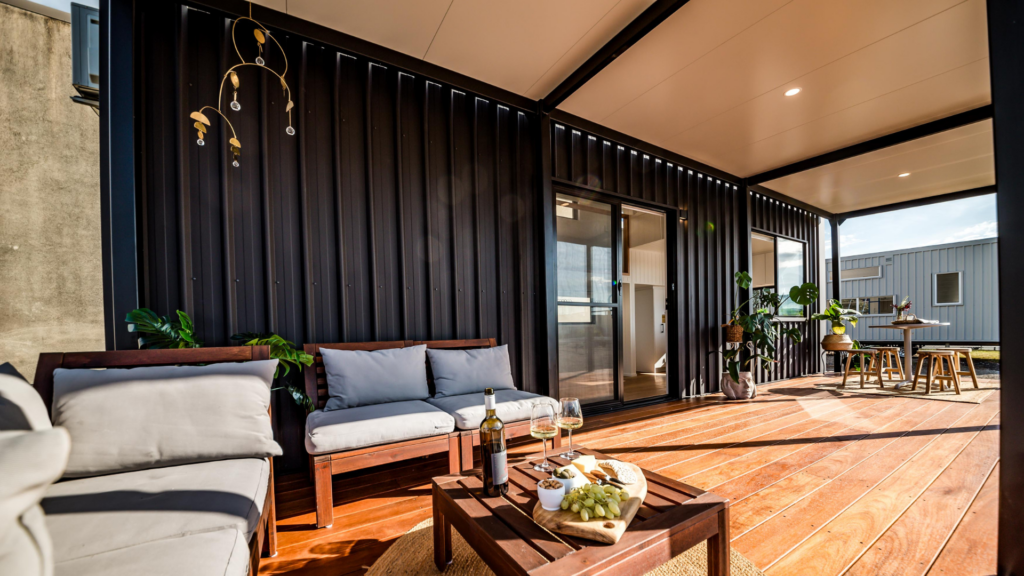
- Modular and container homes offer a versatile middle ground. They can sometimes be relocated while still being treated like permanent dwellings for insurance and council purposes, giving flexibility without some of the challenges of a THOW. With careful planning, these builds can be tailored to suit both lifestyle and site requirements.
5. Planning for the Full Cost
The build price of a tiny home is just one part of the total investment, which is why careful budget planning is key to a smooth project. By planning for the full cost upfront, you can make informed decisions, avoid surprises, and create a tiny home that works perfectly for your lifestyle. Additional costs to consider include:- Site preparation – clearing, leveling, and ensuring proper access
- Utilities – connecting power, water, and septic systems
- Delivery and setup – getting your home safely to site and installed
- Council approvals and permits – ensuring everything is compliant
- Decks, landscaping, and external works – creating a functional and enjoyable outdoor space