How Long Does It Take to Build a Tiny House?
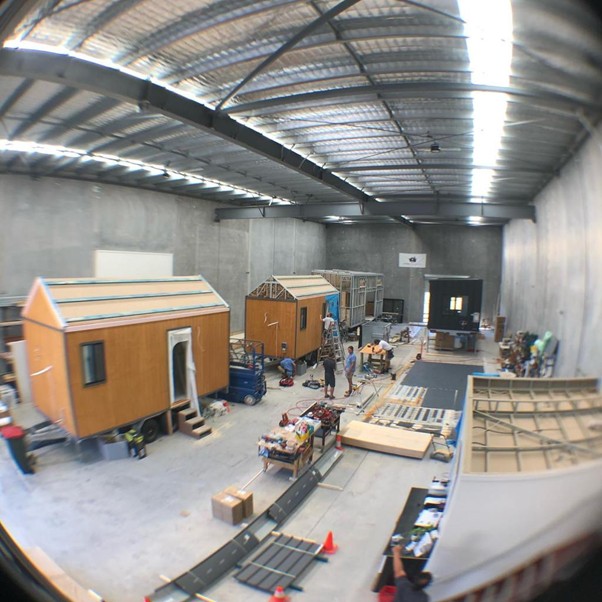
Building a tiny house is an exciting journey, but how long does it take? On average, constructing a tiny home requires between 500 to 600 hours of work. If you’re taking the DIY route and working part-time while balancing other commitments, this could mean several months—or even over a year—before completion. On the other hand, partnering with experienced builders can drastically reduce the timeline, allowing you to move into your dream tiny home much sooner with expert craftsmanship and efficiency.
What Goes into Building a Tiny House?
Building a tiny house involves several key stages, from planning and design to final construction. Here’s a breakdown of the essential components:-
Planning and Design
-
Choosing a Foundation
-
Framing and Construction
-
Utilities and Systems
-
Interior and Finishing Touches
Factors That Affect Tiny House Construction Time
Several factors can influence how quickly your tiny house is built in Australia. Weather conditions, for example, can significantly impact the timeline. Rain, extreme heat, or unpredictable events can cause delays, with temperature variations ranging from 1°C to 28°C in Canberra and 9°C to 30°C in Perth. Planning around seasonal changes can help avoid setbacks. Local regulations are crucial when building a tiny house, and they can vary significantly depending on the location. Some regions have streamlined processes, while others require more time for approvals. In Queensland, for example, tiny homes must adhere to the Building Code of Australia, which outlines important safety and construction standards. Additionally, if you’re considering a Tiny House on Wheels (THOW), it’s important to be aware that many councils have specific regulations regarding living in a caravan, which can serve as an alternative tiny house option. Aussie Tiny Houses’ THOW builds ensure your tiny home is compliant with local council regulations, whether it’s a permanent structure or a mobile solution. The size and complexity of your build will affect how long it takes. Tiny homes typically range up to 40 square metres, but if you include features like split levels, custom-built furniture, or complex layouts, the build could take weeks or months longer. Simpler designs, on the other hand, usually result in faster completion. Lastly, the availability of builders and materials can make a big difference. Hiring professionals can reduce the build time by up to 40%, but material shortages, custom orders, or supply chain disruptions could extend the timeline. If you’re building your tiny home yourself, the learning curve can also add extra time.Ways to Speed Up Your Tiny House Build
If you’re eager to move into your tiny home sooner, here are three ways to streamline the process:-
Work with Experienced Builders
-
Choose the Right Location
- Zoning laws and permits
- Site accessibility and terrain
- Proximity to utilities and infrastructure
-
Keep It Simple