Creating Useful Spaces with the Right Tiny Home Floor Plan
Downsizing to a tiny home offers an exciting opportunity to embrace minimalism, reduce expenses, and live sustainably. However, making the most of the limited space requires careful planning. An optimised tiny home floor plan can transform even the smallest of spaces into a multifunctional haven, making tiny living not only feasible but enjoyable.
Understanding Tiny Home Floor Plans
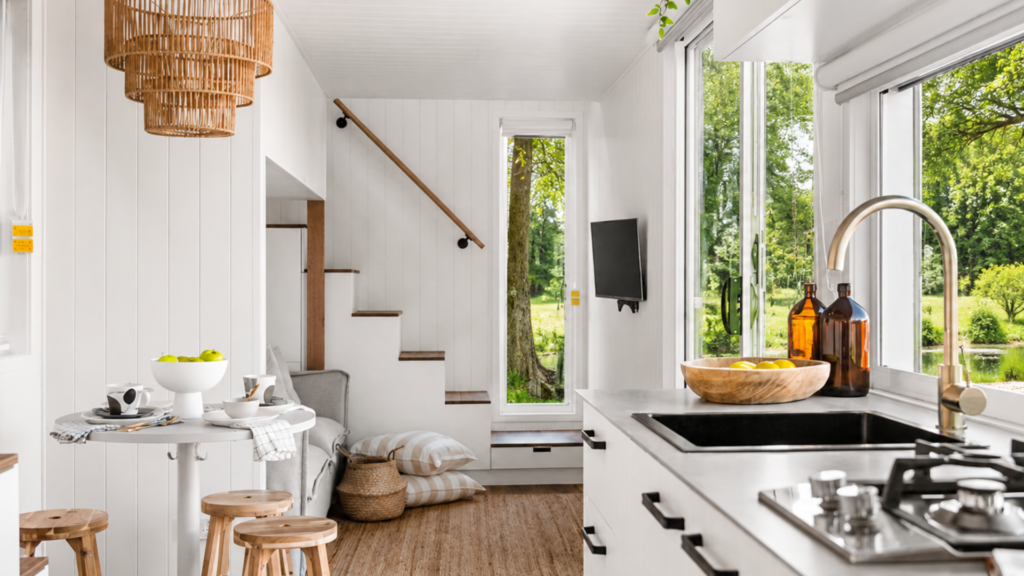
A tiny home floor plan serves as the blueprint for your miniature house, detailing the placement of walls, doors, and furniture. With most tiny homes ranging between 100 and 400 square feet, every inch counts. A well-thought-out layout ensures efficient use of space, incorporating essential areas such as the kitchen, bathroom, and sleeping quarters. Movement within the home should feel natural and uncramped. Strategic placement of windows and doors can enhance the sense of space by improving light and airflow. For instance, large windows can make a room feel more open and inviting, while skylights add an extra dimension of brightness.The Impact of Shell Shape on Tiny Homes
The shape of a tiny home significantly influences its functionality and aesthetic appeal. Popular designs include rectangular, square, and even round shapes, each with its unique advantages.- Rectangular Shapes: These are the most common and practical, allowing clear divisions for living, sleeping, and bathing areas. They pair well with built-in furniture and maximise the use of straight lines and angles.
- Square Shapes: These offer a compact yet spacious feel, with equal wall lengths making it easier to arrange furniture. A square design often supports a central loft or sleeping area, optimising vertical space.
- Round Shapes: Though less conventional, round homes boast excellent durability and energy efficiency. The absence of corners minimises heat loss, but furnishing such spaces may require custom solutions.
Maximising Storage Space in Tiny Homes
Storage is a critical consideration in tiny home design. The goal is to maintain a clutter-free environment while ensuring that all belongings have their place. Innovative storage solutions can make a significant difference.- Multi-functional Furniture: Beds with built-in drawers or sofas with hidden compartments provide ample storage without taking up additional space.
- Vertical Storage: Utilising walls for shelving or installing cabinets that extend to the ceiling can create extra storage without encroaching on floor space.
- Recessed Niches and Foldable Features: Wall niches can hold decorative items or essentials, while fold-down desks or tables can be tucked away when not in use.
- Sliding Doors: Replacing traditional swinging doors with sliding ones saves space and allows for more flexible furniture placement.