What Our Client Wish She Knew Before Buying an Expandable Home
At Aussie Tiny Houses, we’ve seen first-hand how overwhelming it can be to navigate the path to adding a second dwelling—especially when things don’t go to plan. One of our clients came to us after learning a tough (and costly) lesson.
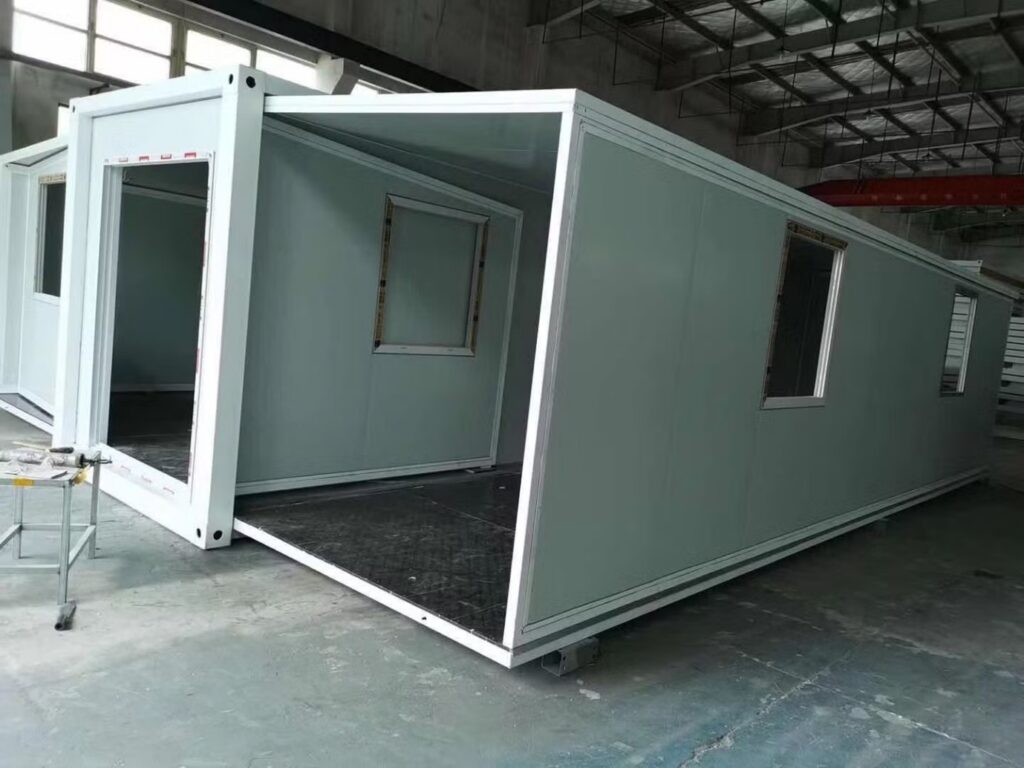
They had everything lined up: council approval for a 109m² footprint, soil testing done, the surveyor had completed their work, and she was already deep into plumbing approvals and water tank installations. But after purchasing an expandable home from another provider, they discovered it wouldn’t meet Australian standards or pass NCC (National Construction Code) compliance.
It was a major setback—and a powerful reminder of how critical it is to understand what you’re buying, and who you’re buying from.
Here’s our client’s story, and why choosing a compliant, experienced tiny house builder matters more than you might think.
The Appeal of Expandable Homes
Expandable homes look like the dream solution on paper. They’re affordable, quick to install, and many come with flashy videos showing them unfolding into fully equipped homes in a matter of hours. But as our client found out the hard way, the appeal of these homes can be overshadowed by compliance issues—especially when they’re imported or not built to meet Australian standards. After speaking to local council and trades, she discovered that the expandable home I bought wasn’t engineered or certified for permanent occupancy in Queensland. It didn’t meet insulation requirements, structural codes, or energy efficiency standards under the NCC. And suddenly, I was facing two choices: spend a fortune trying to retrofit something that may still never be approved—or start again with a compliant option.Compliance Isn’t Optional—It’s Essential
If you’re planning to live in your tiny home full-time, rent it out legally, or add it to your property as a second dwelling, compliance with the NCC and local council regulations isn’t just a box to tick—it’s non-negotiable. In her case, she already had:- Council approval for size and placement (a second dwelling of up to 109m²),
- A completed soil test and surveyor documentation,
- Water tanks installed, and
- Plumbing permits underway.
Why Aussie Tiny Houses Stood
Once she realised she had to pivot, she started researching trusted Australian-made solutions—and that’s when she discovered Aussie Tiny Houses. In her words, here’s why we stood out:-
Built for Compliance
-
Customisation Within Approved Footprint
-
Turnkey Support
Things To Ask Before Buying Your First Tiny Home
If you’re in the market for a second dwelling or tiny home, learn from our client’s experience. Here are some critical questions to ask before you buy:- Is the home engineered to meet the NCC and Australian Standards?
- Will the supplier provide documentation to assist with council certification?
- Is the home designed for permanent living (Class 1a) or only temporary use (Class 10a)?
- Can I modify the layout or specifications to suit my approved site?
- What warranties or guarantees are included?
- Can I inspect the build or speak with past clients before purchasing?